In the contamination control management of semiconductor equipment, clear wiping specifications apply to every stage, ranging from cleanroom environment maintenance, component assembly, parts cleaning, to final pre-shipment cleaning.
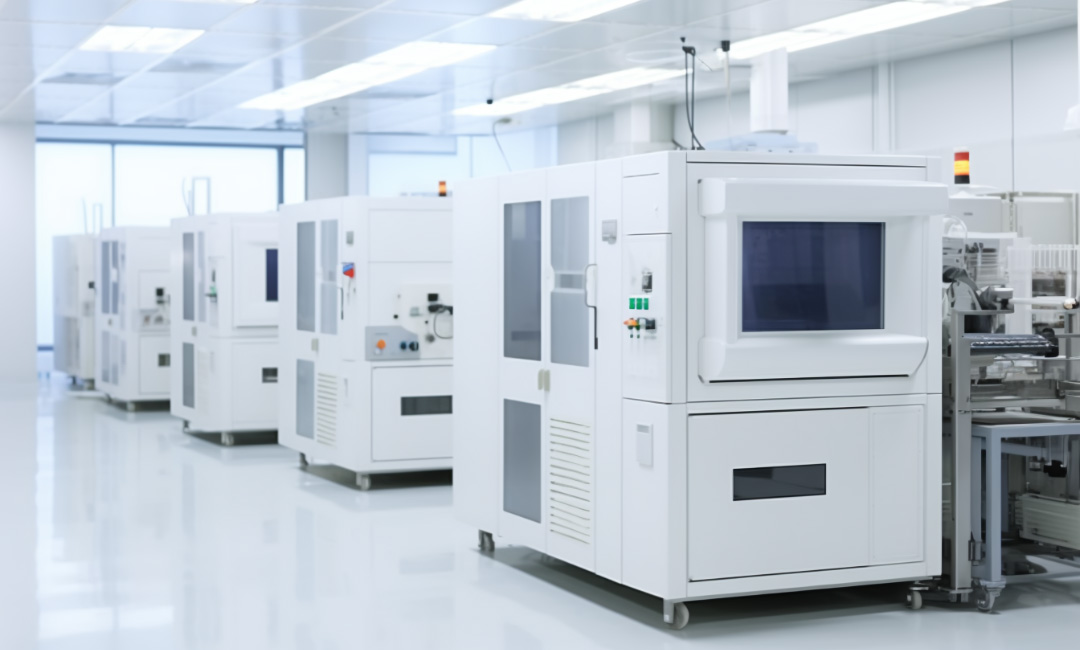
For this reason, semiconductor equipment manufacturers generally deploy high-grade cleanroom wipers for cleaning and maintenance. Key application scenarios are listed below:
01 Routine Cleanroom Maintenance
Workstations and material carts inside cleanrooms require periodic wiping. Particles are continuously introduced by personnel and incoming materials. This type of cleaning features high frequency and wide coverage, serving as the foundation of contamination control for equipment manufacturers. BSL Cleanroom Wipers deliver well-controlled particle generation and support both wet and dry wiping, meeting the “zero secondary particle contamination” requirement for cleaning in high-class clean environments.
02 Pre-Cleaning of Components Prior to Clean Assembly
In accordance with national standard GB/T 29845-2013, before components are transferred into the clean assembly zone, they shall go through vacuum cleaning and filtered air blow-off, by cleaning with cleanroom wipers and swabs wetted with 10%–70% isopropyl alcohol diluted in ultrapure water. The same cleaning procedure also applies to assembly tools. BSL Cleanroom Wipers are laundered and packaged in ISO Class 5 cleanrooms. They offer excellent compatibility with cleaning media including isopropyl alcohol, ethanol and deionized water, and deliver consistent wiping performance under solvent-based cleaning conditions.
03 ESD Protection during Full Unit Assembly
Sensors, electronic modules and control boards inside equipment are ESD-sensitive. Even with controlled humidity in cleanrooms, static charges generated by friction during handling cannot be fully eliminated. Conductive fibers are woven into anti-static wipers to dissipate static electricity during wiping operations and mitigate ESD risks in assembly.
04 Auxiliary Wiping for Cleaning Processes
Cleaning of electrostatic chucks, ceramic parts, quartz components and other parts involves soaking, chemical cleaning, ultrasonic cleaning and ultrapure water rinsing. Wiping acts as an auxiliary step to remove loose surface particles, grease and solvent residues. Featuring soft microfiber construction, these cleanroom wipers reduce the risk of surface scratching on high-flatness substrates.
05 Final Cleaning Before Shipment
After full assembly and testing of the equipment, all exposed surfaces shall be thoroughly cleaned using cleanroom wipers and swabs with ultrapure water-diluted isopropyl alcohol, by packaging in ISO Class 5 or higher-grade clean packaging areas. The microfiber series of cleanroom wipers leverage capillary wicking effect to achieve efficient and rapid cleaning.
BSL (Baoshili) has specialized in the production of contamination control wiping products for more than 20 years, with full industrial chain capabilities covering yarn spinning, weaving and finished product processing. Its cleanroom wiper portfolio includes 100% polyester, microfiber and anti-static variants, matching the contamination requirements of different stages in semiconductor equipment manufacturing.
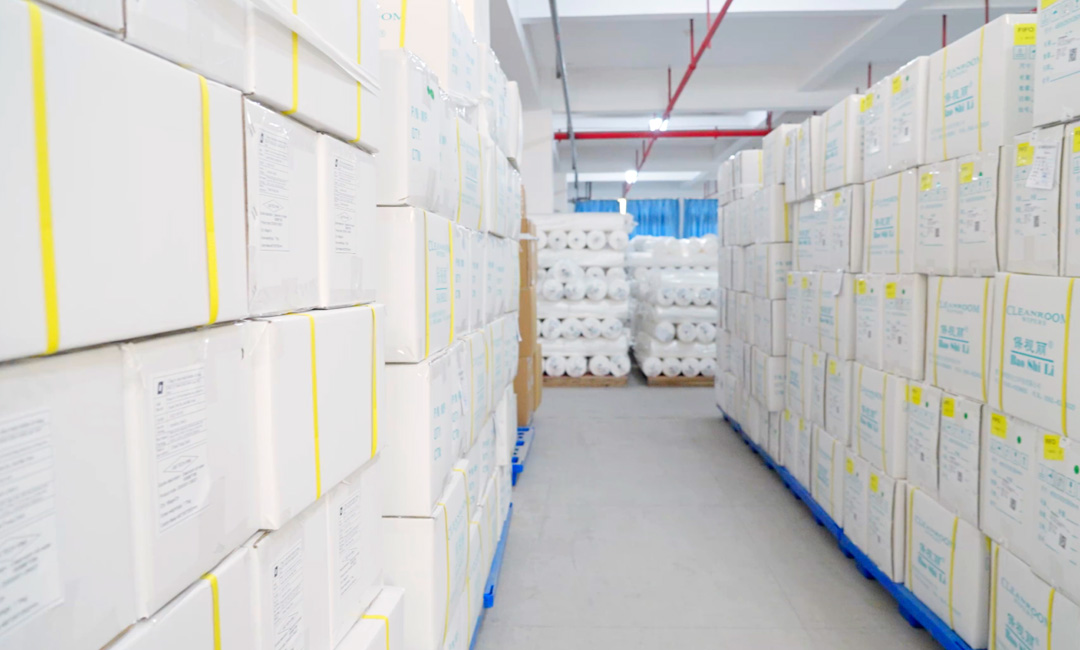
As chip process nodes keep advancing, precision and cleanliness standards for semiconductor equipment are rising accordingly, and outgoing cleanliness performance carries growing weight in customer acceptance criteria. BSL will continue optimizing the manufacturing process and quality of its cleanroom wipers to provide stable and reliable contamination control wiping solutions for the semiconductor equipment industry.


 online service
 +86 592 625 8655-ext-622
 carrie@xmbsl.com
 carrielin36
 +8613850062482



 English
 français
 español
 日本語
 Tiếng việt
 中文